

Our Projects
Our Projects
Recycling in Action: Projects Across Uganda
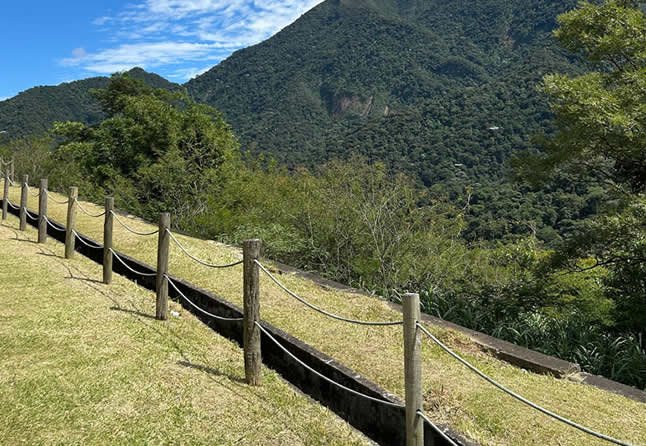
Recycled-plastic fence poles deployed along national park perimeters to ease human–wildlife conflict while diverting plastic from landfill.
Our approach
Working alongside the Uganda Wildlife Authority, WastePlus extruded solid poles on its plasticpreneur EMK2 line from sorted HDPE and LDPE feedstock. Unlike treated timber, the poles are immune to termites, rot and rain — cutting replacement cycles to near zero across remote, hard-to-service boundaries.Why it matters
Every kilometre of fencing locks away hundreds of kilograms of post-consumer plastic in durable, 50-year infrastructure — turning a disposal problem into a conservation asset.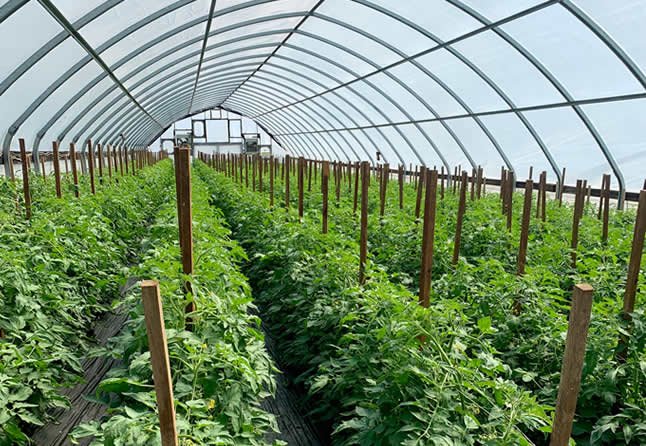
Recycled-plastic shade-net support structures for smallholder farming cooperatives, replacing treated timber with maintenance-free equivalents.
Our approach
WastePlus supplies and installs extruded posts and crossbars sized for shade-net horticulture. The same poles proven on the UWA conservation contract are adapted here for agriculture, giving cooperatives a structure that will not warp, rot or need chemical treatment.Why it matters
Farmers gain long-life growing infrastructure; plastic that would otherwise pollute Kampala’s waterways is locked into productive use on the farm.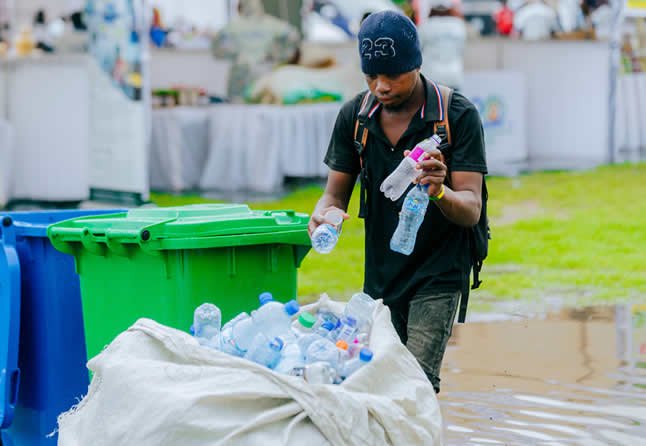
Modular “Green Pod” installations bringing recycling drop-off, sorting and community engagement into neighbourhoods.
Our approach
Each pod combines collection points with locally made recycled-plastic furniture and signage. Built around the community-aggregator model, pods give households a nearby place to turn sorted plastic into income — the same network expanded through our UNDP innovation work.Why it matters
Pods raise local collection rates in a country where, per the World Bank, regional collection can sit as low as 31% — closing the gap one neighbourhood at a time.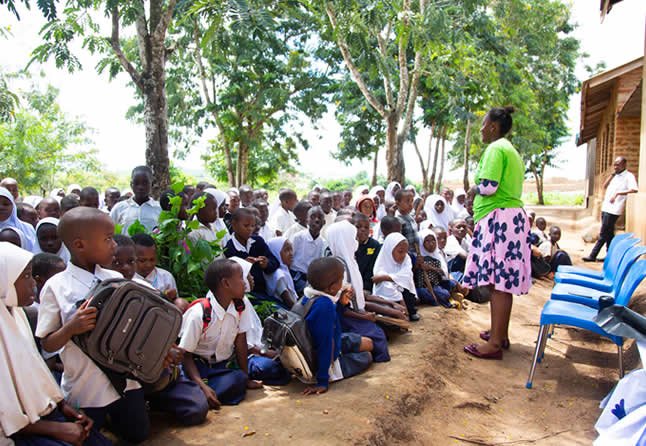
A schools programme teaching the circular economy through hands-on recycling and locally produced classroom products.
Our approach
Students learn the full waste-to-product journey — from sorting HDPE, LDPE, PET and PP to seeing flake moulded into finished goods. Schools receive recycled-plastic desks, planters and teaching aids made at the Busabala hub, echoing the awareness work featured in our NTV “Innovation Nation” coverage.Why it matters
Environmental literacy is built early, and each participating school becomes a collection node feeding the wider network.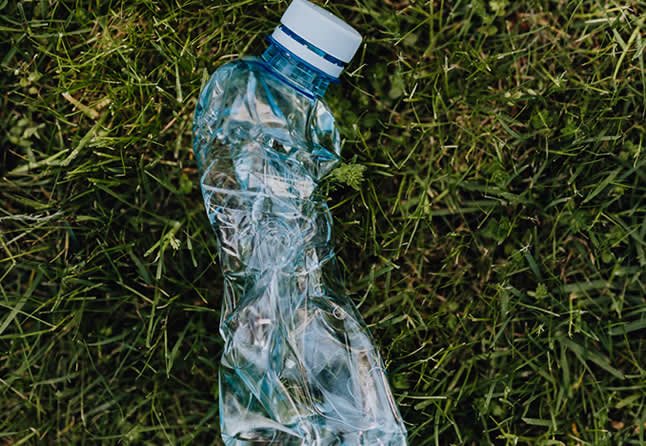
“Plastic Positive” partnerships helping companies offset and recover more plastic than they put into the market.
Our approach
WastePlus designs corporate take-back and recovery programmes — drawing on partnerships such as the Uganda Airlines recycling collaboration and USAID-PMI Evolve — then converts the recovered material into branded, useful products for the partner.Why it matters
Corporates meet Extended Producer Responsibility goals with verifiable recovery; recovered plastic re-enters the economy as durable goods rather than landfill.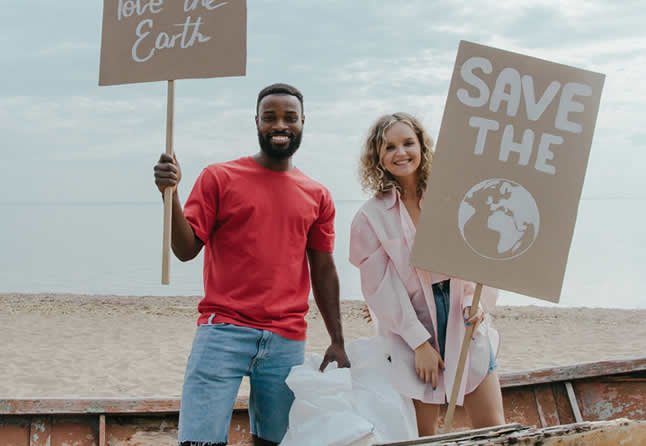
Community clean-up campaigns that mobilise collection drives and feed recovered plastic into local manufacturing.